
Korean Skin Secrets: Why Koreans Go to the Dermatologist Like It's a Coffee Run
In This Article
The Country Where a Dermatologist Visit Is as Normal as a Haircut
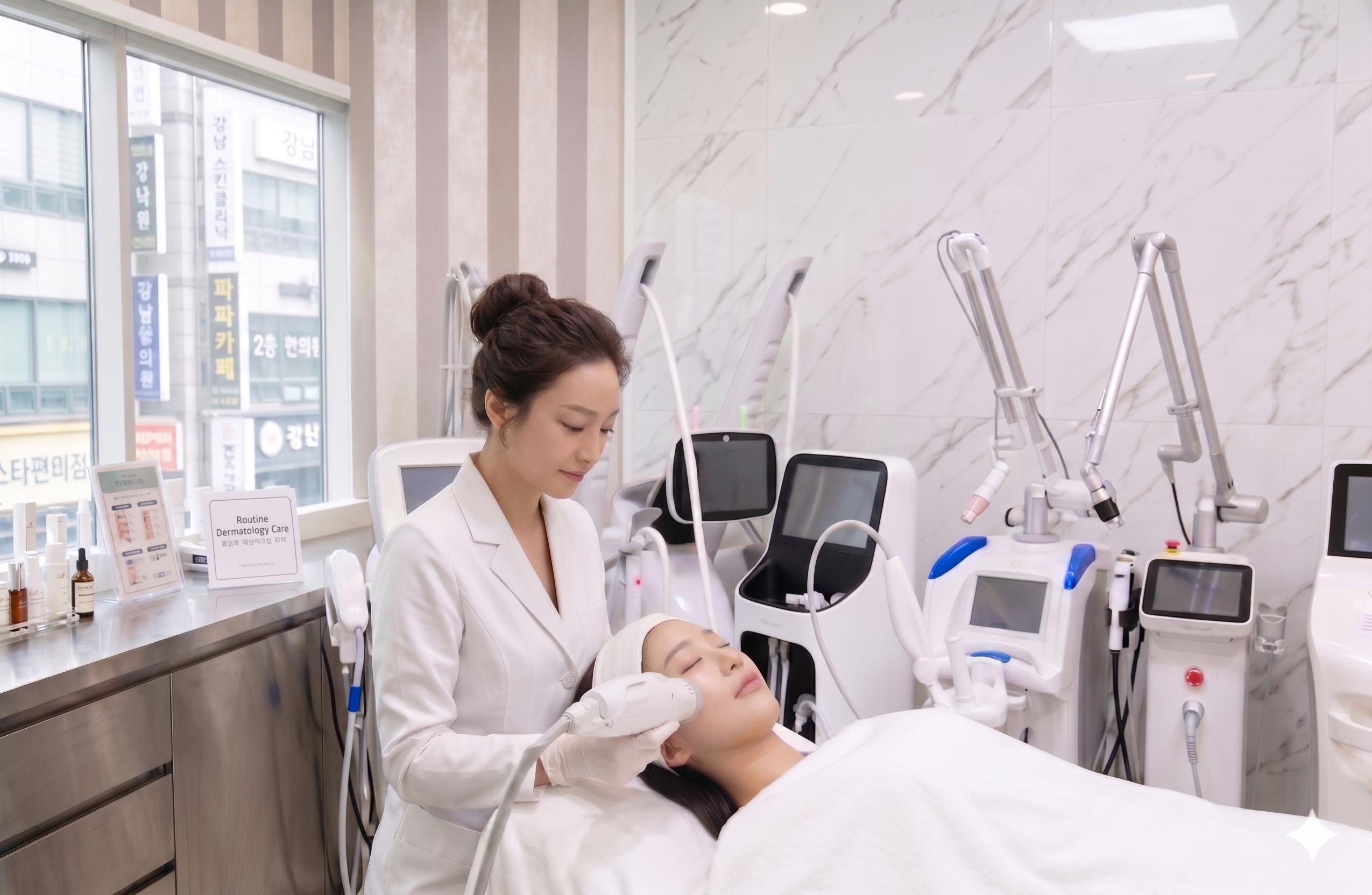
In most countries, going to a dermatologist means something is wrong. You book an appointment weeks in advance, sit in a waiting room, and leave with a prescription. In Korea, it works differently. A dermatology visit is closer to a haircut or a coffee run than a medical event. You walk in, choose a treatment, and walk out looking a little better than when you arrived. That is not an exaggeration. It is just how the culture works here.
The Numbers Are Hard to Ignore
As of 2024, Seoul alone had 571 dermatology clinics. The Gangnam district, a single neighborhood in southern Seoul, had more than 170 of them. South Korea consistently ranks among the highest in the world for cosmetic procedures per capita. That figure is not driven by tourists. It is built on locals going regularly, often every two to four weeks, for maintenance treatments rather than one-off procedures.
Why It Is So Normal Here
Three things make Korea's dermatology culture different from most countries. The first is price. Dermatology procedures in Korea cost roughly two to three times less than equivalent treatments in Japan or Singapore, and significantly less than in Western countries. When a maintenance laser session costs less than a restaurant dinner, going monthly stops feeling like a luxury. The second is access. With hundreds of clinics concentrated in major neighborhoods, you do not need to travel far or wait long. Many clinics accept walk-ins for basic procedures. The third is training. Korean dermatologists are required to complete four years of residency at a university hospital before passing a specialist examination. The result is a high density of highly trained practitioners in a competitive market that keeps pushing standards up.
What People Actually Get Done
The most common procedures are not dramatic. Laser toning is the most frequently performed laser treatment in Korean dermatology clinics, used to brighten skin tone, reduce pigmentation, and maintain an even complexion. Most locals start with a course of sessions and then continue monthly for maintenance.
Skin boosters like Rejuran Healer, which uses polynucleotide technology derived from salmon DNA, are another staple focused on skin regeneration and improving texture at a cellular level. Pico lasers, which deliver ultra-short pulses to break down pigment and stimulate collagen, have become standard in many clinics. None of these are considered dramatic procedures by Korean standards. They are considered maintenance.
Koreans Start Early and Go Often
In many countries, people consider dermatological treatments something for their 40s or later, when visible signs of aging have already appeared. In Korea, the approach is preventive. Many people start regular clinic visits in their 20s, treating skin as something to maintain consistently rather than fix reactively. Korean dermatologists often describe their approach as multi-layered, combining different treatments in a single visit to address tone, texture, hydration, and collagen at the same time. The goal is not to look treated. The goal is to look like nothing ever happened.
The Rest of the World Is Starting to Notice
Travelers are now flying from the US, UK, and across Asia specifically to spend a few days in Seoul getting treatments that would cost significantly more at home. The term "tweakment tourism" has started appearing in international media to describe the trend. What Koreans have been doing quietly for decades is now a global phenomenon, and the infrastructure that made it normal for locals is the same infrastructure making it accessible for visitors.
If You Are Visiting Seoul
Most clinics in Gangnam, Myeongdong, and Hongdae have English-speaking staff or coordinators for international patients. Basic procedures like laser toning or a skin booster session can often be done on a walk-in basis or with a same-day booking. As of June 2025, non-resident foreigners can receive a VAT refund on cosmetic procedures. Prices vary by clinic and treatment, but Korean dermatology costs are consistently and significantly lower than equivalent procedures in Western countries, making Seoul one of the most practical destinations in the world for anyone curious about what a dermatology visit actually feels like when it is just a normal part of the week.