


Seokpajeong: The Regent's Hidden Retreat on Mount Inwang
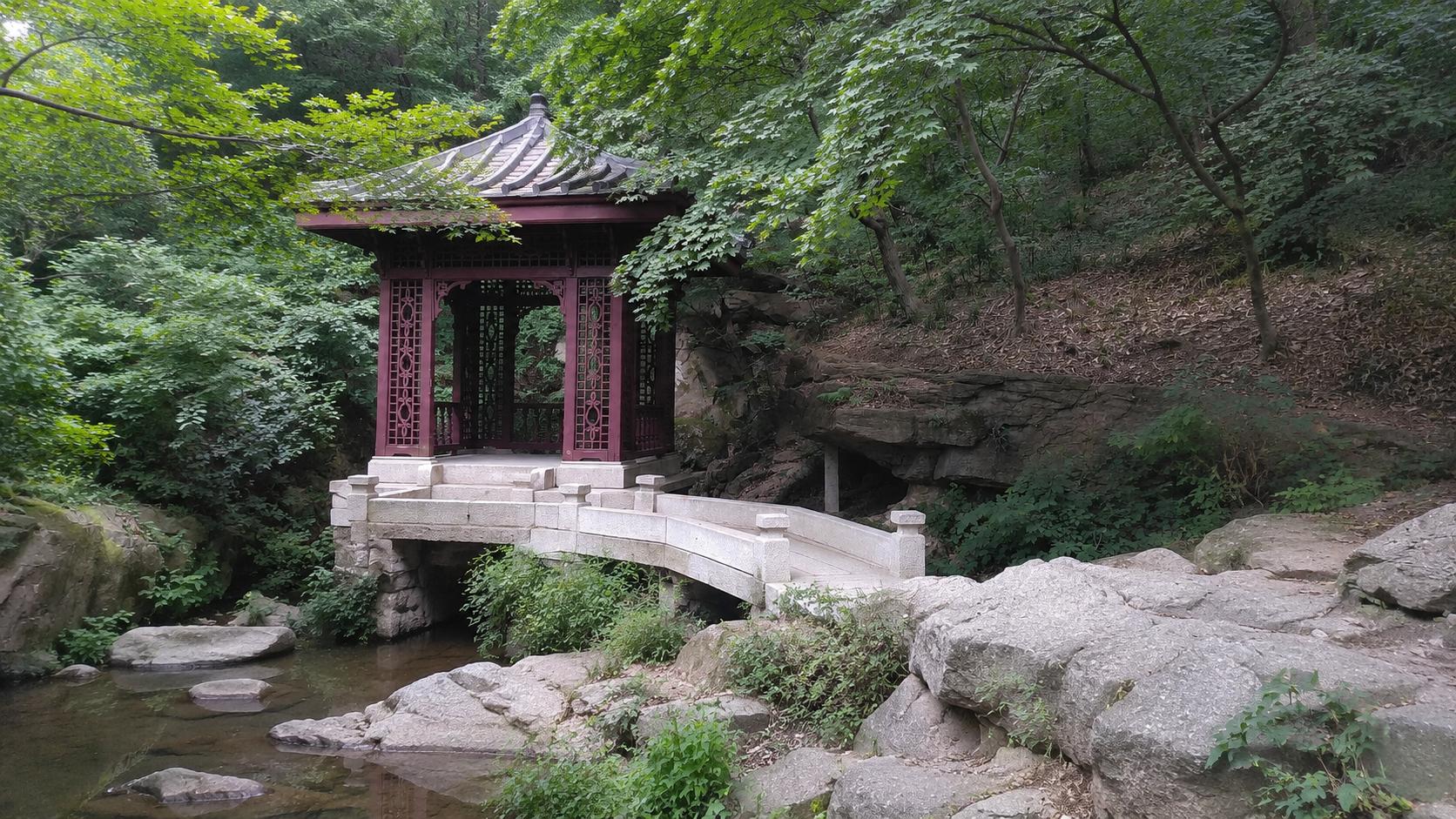
Tucked into the granite slopes of Mount Inwang in northwestern Seoul, Seokpajeong is a 19th-century Korean villa that once served as the private retreat of Heungseon Daewongun, the powerful regent who ruled Joseon in place of his son, King Gojong. Designated as Seoul Tangible Cultural Property No. 26, the site preserves the rare atmosphere of late Joseon aristocratic life — where classical geomantic principles, traditional Hanok craftsmanship, and the raw beauty of the natural landscape were carefully woven into a single living space.
A Regent's Hidden Retreat
Seokpajeong was established in the mid-19th century by Heungseon Daewongun, one of the most influential political figures of the late Joseon Dynasty. As regent, he wielded enormous power — overseeing the construction of Gyeongbokgung Palace and enforcing an isolationist foreign policy. Yet away from the political arena, he retreated here to paint, compose poetry, and cultivate orchids, for which he was deeply passionate.
The villa's name translates roughly as "Pavilion of the Stone Waves" — a reference to the layered granite formations that cascade down the Inwangsan hillside like frozen ripples. Daewongun reportedly chose this site himself, drawn by the dramatic rock scenery and the sense of seclusion it offered within walking distance of the capital.
Built by the Mountain, Not Against It
The layout of Seokpajeong reflects the classical Korean concept of baesanimsu — a geomantic ideal where a structure is sheltered by a mountain at the rear and opened toward flowing water at the front. Rather than flattening the terrain, the buildings were adapted to the natural contours of the slope, creating an organic arrangement of courtyards, pavilions, and garden paths that feel grown from the rock itself.
The Hanok structures on site feature the understated craftsmanship typical of high Joseon aesthetics: exposed timber frames, clay-tiled roofs, and stone foundations that blend seamlessly into the surrounding granite. No element competes with the landscape — every angle was considered to draw the eye outward toward Inwangsan's cliffs and pine-covered ridgelines.
What Survives Today
After Daewongun's death, the property changed hands multiple times and fell into neglect during the Japanese colonial period. Much of the original complex was lost, but the core structures — including the main villa building and several pavilions — have been preserved and restored under cultural heritage protections.
Today, Seokpajeong sits within the grounds of the Gansong Art and Culture Foundation, adjacent to Seokpajeong Museum of Art. Visitors can explore the historic villa as a standalone site, walking the stone paths between centuries-old pine trees while the granite face of Inwangsan rises behind them — largely unchanged from the view Daewongun himself once enjoyed.