


Inside Seoul’s Quiet Historic Neighborhood Hidden Beside the Palace
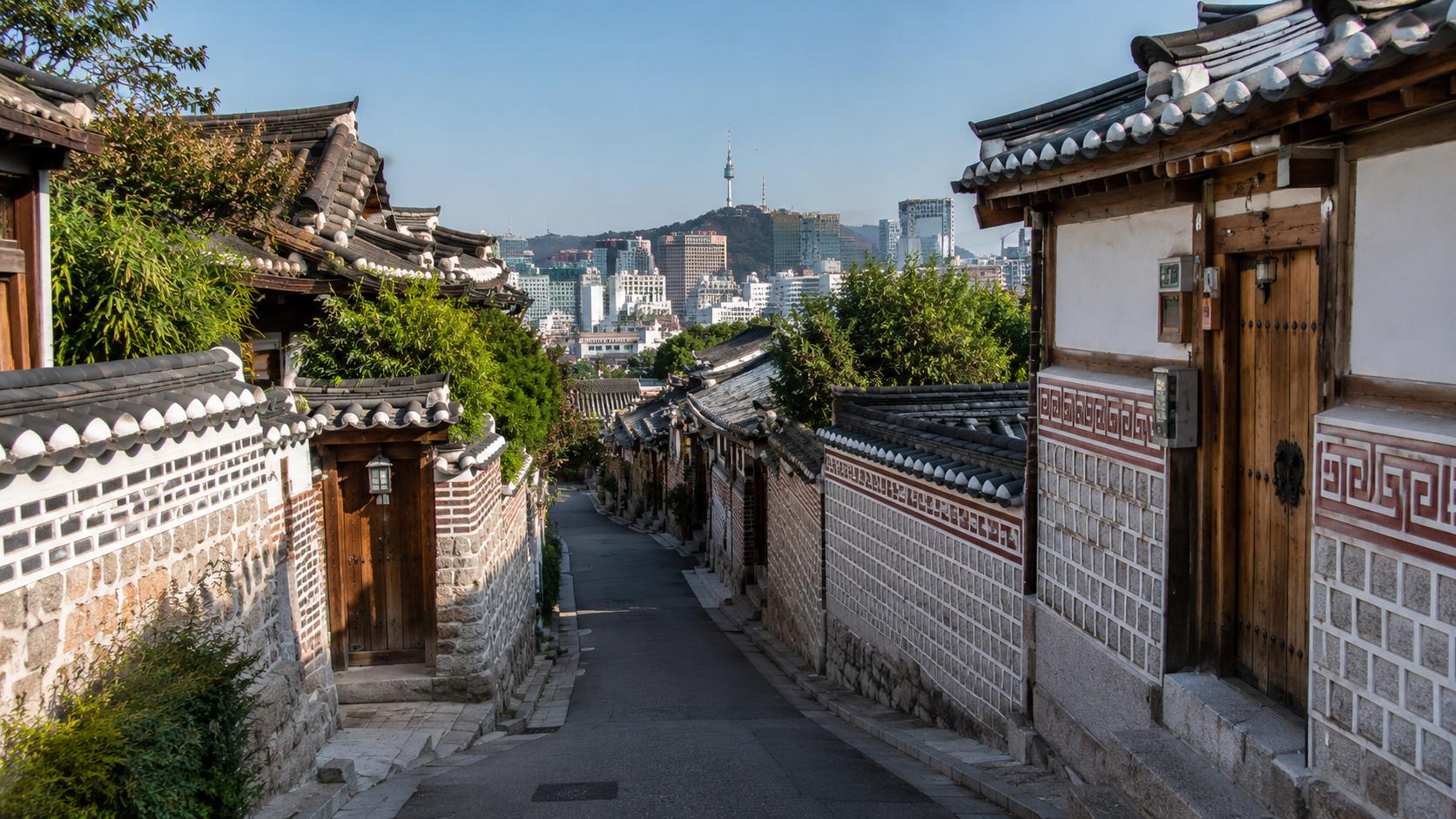
Just west of Gyeongbokgung Palace lies one of Seoul’s oldest and quietest neighborhoods, a place where old alleyways, traditional hanok homes, local markets, and artistic history have survived while much of the city rapidly modernized. Unlike more crowded tourist districts nearby, Seochon offers a slower and more intimate glimpse into the everyday life of old Seoul.
In This Article
What Is Seochon?
Seochon, literally meaning “West Village,” is a historic neighborhood located just west of Gyeongbokgung Palace in central Seoul. While many visitors focus on famous destinations like Bukchon Hanok Village, Seochon quietly preserves a very different side of the city. Narrow alleyways, aging hanok houses, low-rise homes, and long-running local businesses make the neighborhood feel far removed from Seoul’s modern skyline.
One of Seoul’s Oldest Neighborhoods
Seochon is considered one of the oldest residential districts in Seoul and has deep historical ties to the Joseon Dynasty. For centuries, government officials, scholars, and aristocratic families lived in the area because of its close proximity to the royal palace. Unlike many older parts of Seoul that disappeared through redevelopment, much of Seochon’s original urban structure and historical character has remained intact.
A District Loved by Artists and Writers
Throughout modern Korean history, Seochon has been closely connected to artists, writers, and intellectuals. Famous painter Gyeomjae Jeong Seon once lived nearby, while later generations of poets, authors, and cultural figures also found inspiration in the neighborhood. Even today, visitors can discover small galleries, independent bookstores, and creative spaces hidden between old residential alleys, preserving the district’s long artistic identity.
Why Seochon Feels Different From Seoul
Unlike heavily commercialized areas such as Gangnam or Myeongdong, Seochon moves at a noticeably slower pace. Walking through the neighborhood reveals quiet residential streets, old neighborhood bakeries, family-owned restaurants, local markets like Tongin Market, and small hanok cafes scattered throughout the district. Many visitors describe Seochon as feeling like Seoul before rapid modernization transformed the city.
Where Local Life and History Coexist
What makes Seochon unique is that it has not been fully transformed into a tourist district. Local residents still live in the same narrow alleyways where traditional architecture remains standing beside renovated cultural spaces, modern cafes, and independent boutiques. Rather than preserving history behind museum walls, Seochon allows old Seoul to continue existing as part of everyday city life.
A Hidden Side of Traditional Seoul
Today, Seochon represents a quieter and often overlooked side of Korean culture. While tourists gather in nearby palace districts, Seochon offers something far more subtle — a neighborhood where history, art, local life, and traditional architecture remain naturally woven into the rhythm of modern Seoul. For visitors looking beyond famous landmarks, Seochon reveals one of the city’s most authentic hidden corners.