


Why Seoul Forest Became Seoul’s Favorite Urban Escape
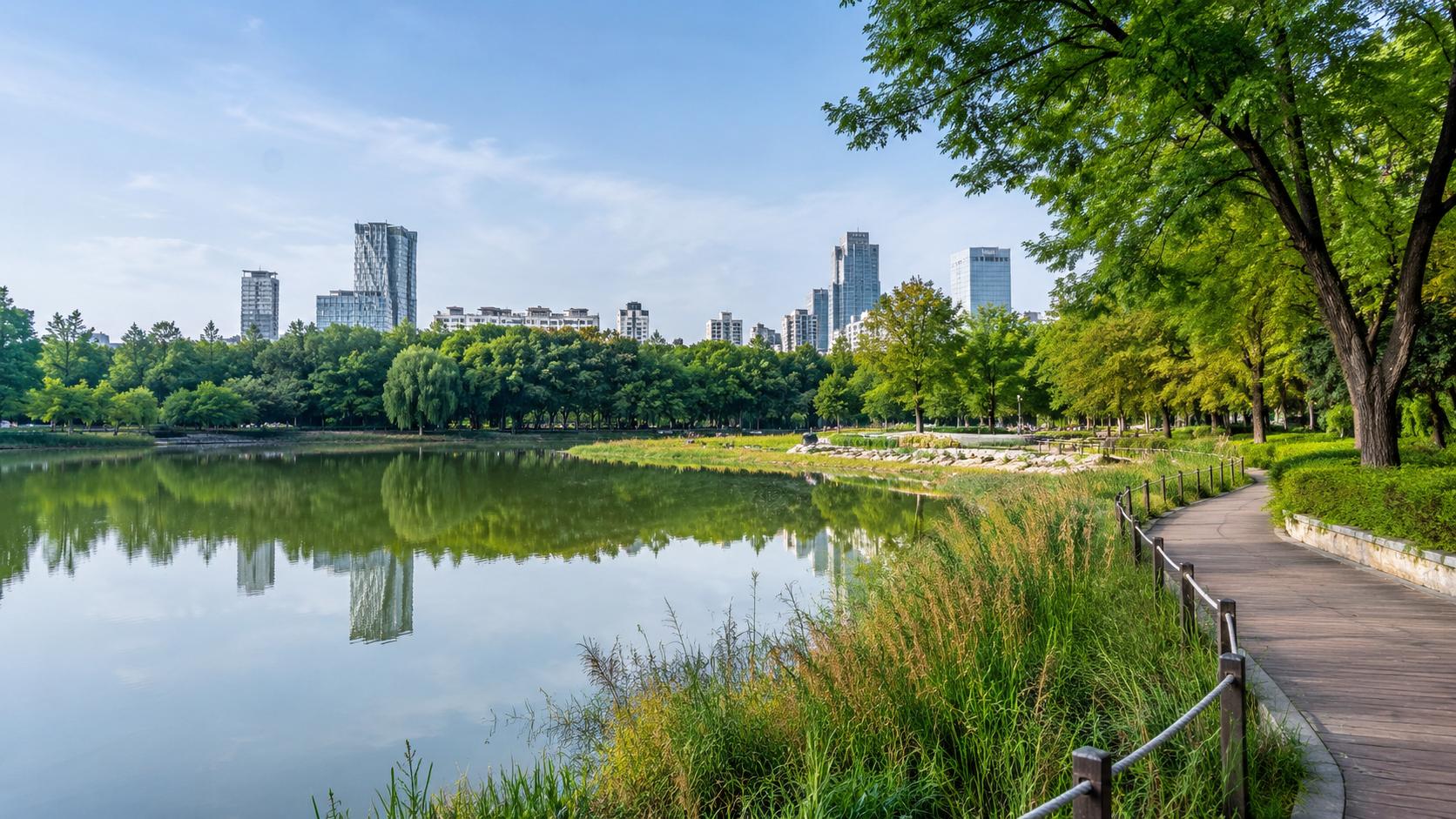
In the heart of eastern Seoul lies one of the city’s most fascinating examples of urban transformation. Today, Seoul Forest is known as a peaceful green escape filled with walking trails, art spaces, deer gardens, and young locals enjoying the slower side of city life. But before becoming one of Seoul’s most beloved public parks, this area served very different roles throughout Korea’s modern development, reflecting how Seoul continuously reshapes its urban identity.
In This Article
What Is Seoul Forest?
Seoul Forest is a large public park located in Seongdong District on the eastern side of Seoul. Covering more than one million square meters, it has become one of the city’s most popular green spaces where residents gather for picnics, cycling, jogging, photography, and quiet walks. Unlike Korea’s more traditional palaces or historic tourist attractions, Seoul Forest represents a newer side of Seoul focused on lifestyle, design, and urban balance.
The Land Before It Became a Park
Long before becoming a public park, this area served multiple industrial and administrative functions during Korea’s modernization. Parts of the land were once used as a royal hunting ground during the Joseon Dynasty, while later decades saw the space transformed into a water purification facility, horse racing track, and various city infrastructure projects. For much of the 20th century, few people imagined it would eventually become one of Seoul’s most iconic recreational spaces.
How Seoul Created Its Urban Forest
In the early 2000s, Seoul’s government launched an ambitious redevelopment project to transform the aging industrial land into a large-scale ecological park inspired partly by cities like New York and London. Rather than constructing more commercial buildings, planners focused on creating a space where nature could coexist with dense urban development. Seoul Forest officially opened in 2005 and immediately became one of the city’s most successful public space projects.
Why Young Koreans Love Seoul Forest
For many younger Koreans, Seoul Forest represents a slower and more relaxed version of city life. The park has become popular for casual dates, weekend picnics, cycling paths, photography spots, and outdoor gatherings. Its deer enclosure, butterfly garden, art installations, and wide open lawns create an atmosphere that feels very different from Seoul’s typically fast-paced urban environment. The area has become especially popular among young professionals seeking balance between city energy and quiet leisure.
The Rise of the Surrounding District
The popularity of Seoul Forest has significantly transformed the surrounding neighborhood. Streets near the park are now filled with independent cafes, boutique fashion stores, design studios, bakeries, and lifestyle brands that attract both locals and international visitors. The district increasingly feels connected to nearby Seongsu-dong, creating one of Seoul’s most culturally influential urban zones where creativity, nature, and modern consumer culture naturally overlap.
Why Seoul Forest Reflects Modern Seoul
Seoul Forest tells an important story about how modern Seoul continues evolving beyond simple urban expansion. Instead of using valuable central land for further commercial development, the city chose to create a public space prioritizing quality of life, environmental restoration, and community use. For visitors hoping to understand contemporary Korean urban culture, Seoul Forest offers a powerful example of how Seoul balances rapid modernization with the growing desire for slower, more human-centered city living.