


From Malatang to Photo Booths: How Gen Z Actually Hangs Out in Seoul
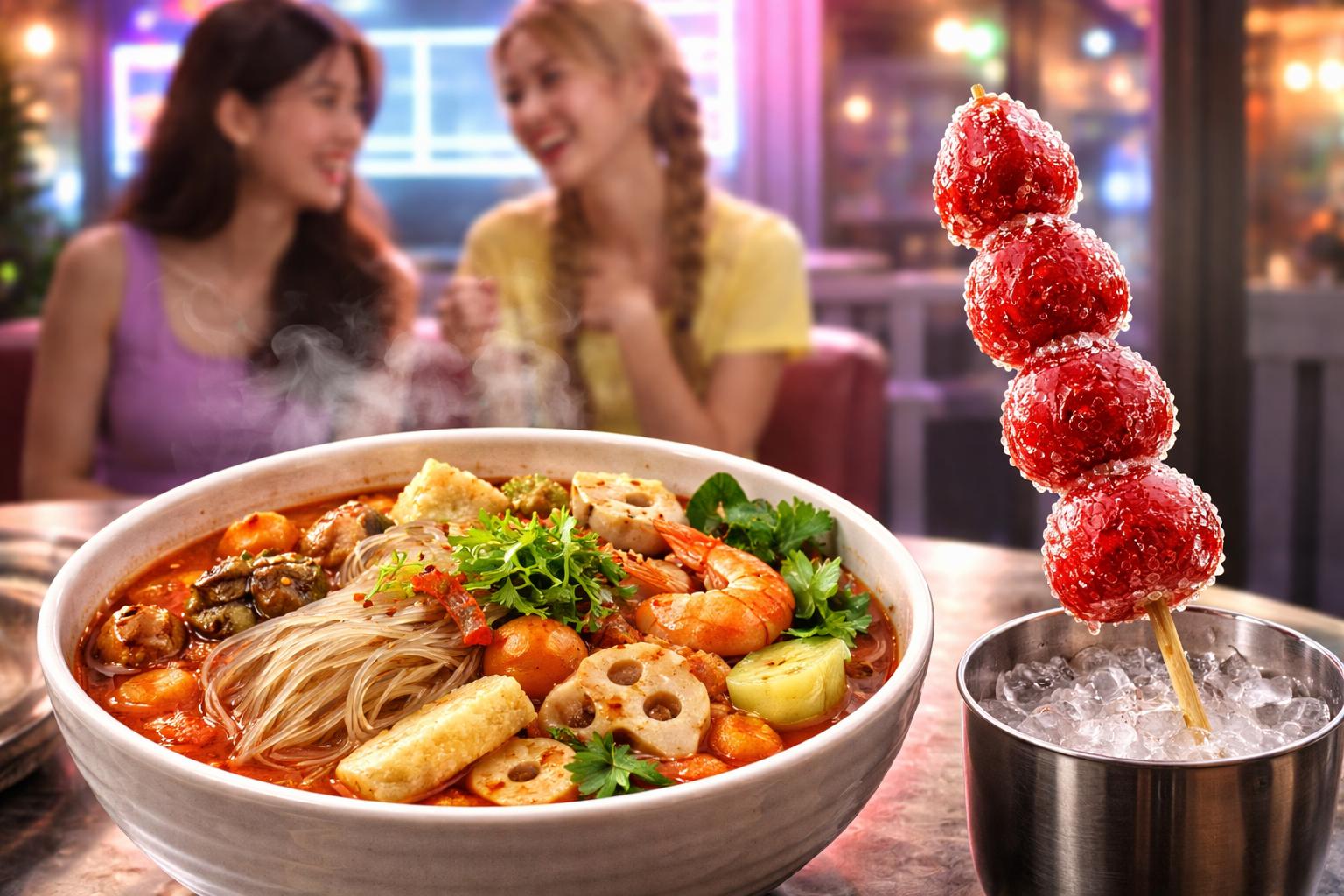
The K-pop travel trend is shifting. Beyond concerts, experiencing the authentic daily routine of Korean Gen Z—from spicy hot pot loops to high-angle photo booths—is now reshaping Seoul tourism.
In This Article
The Ultimate Guide to Seoul’s Teen Culture: How Korean Gen Z Actually Hangs Out
When foreign travelers think of Seoul, iconic palaces, shopping in Myeongdong, or K-pop agency buildings usually come to mind. However, the real trend shifting modern tourism lies in the daily routines of local teenagers.
Korean middle and high schoolers have developed a unique, hyper-localized hangout culture that is both budget-friendly and highly photogenic. For global travelers looking for an authentic slice of contemporary life, following the daily route of a Seoul teen offers a completely fresh perspective on the city.
From customized spicy hot pots to neon-lit self-photo studios, these habits have evolved from simple after-school pastimes into defining elements of modern Korean youth culture that are now drawing international fascination.
The Holy Grail of Teen Comfort Food: Malatang and Tanghulu
If you ask a Korean teenager what their ultimate meal is, the undisputed answer is Malatang (a spicy, numbing Sichuan-style hot pot soup) followed immediately by Tanghulu (sugar-coated fruit skewers).
The ritual is remarkably consistent across the country: groups of friends visit a local Malatang shop, pick up a bowl, and custom-build their soup with a mountain of glass noodles, rice cakes, and vegetables. The burning spice is half the fun.
Immediately after finishing, they head right next door to grab a crunchy, icy-sweet Tanghulu to cool down their taste buds. This pairing has become such a cultural phenomenon that it even inspired a massive viral internet music trend: "Ma-ra-tang-hu-ru."
The Essential Hangout Loop: Coin Karaoke, Photo Booths, and Board Game Cafes
Korean teenagers have mastered the art of the affordable, interactive hangout loop. Because traditional cafes can get expensive, specific micro-spaces have become their ultimate sanctuaries:
* Coin Noreabang: Budget-friendly karaoke rooms where you pay per song (usually 1,000 KRW for 3-4 tracks) to blast K-pop hits.
* Self-Photo Booths: Trendy spaces like "Life Four Cuts" or "Don't Look Up" offering funny headbands, high-angle camera aesthetics, and idol frames.
* Board Game Cafes: Cozy, private curtained booths outfitted with thousands of games and digital screens to order tteokbokki and iced teas.
Among these, self-photo booths act as a mandatory final stop. Snapping a four-panel photo strip is an absolute ritual used to document and remember every single day out with friends.
Where the Youth Gather: Hongdae, Yeonnam, and Neighborhood Alleys
While older crowds lean toward the quiet sophistication of Hannam-dong or luxury shopping in Gangnam, teenagers prefer neighborhoods vibrating with raw, expressive energy.
Hongdae remains the epicenter of teen culture, where pedestrian streets are packed every weekend with spectators watching teenage dance crews perform flawless K-pop covers. Right next door, the calmer alleys of Yeonnam-dong offer character pop-up stores and indie stationery shops.
Ultimately, experiencing Seoul like a local teenager means slowing down, prioritizing casual interactive fun over luxury, and letting the city's fast-moving micro-trends guide your afternoon.