


The Korean Delivery Workers Every Neighborhood Once Knew
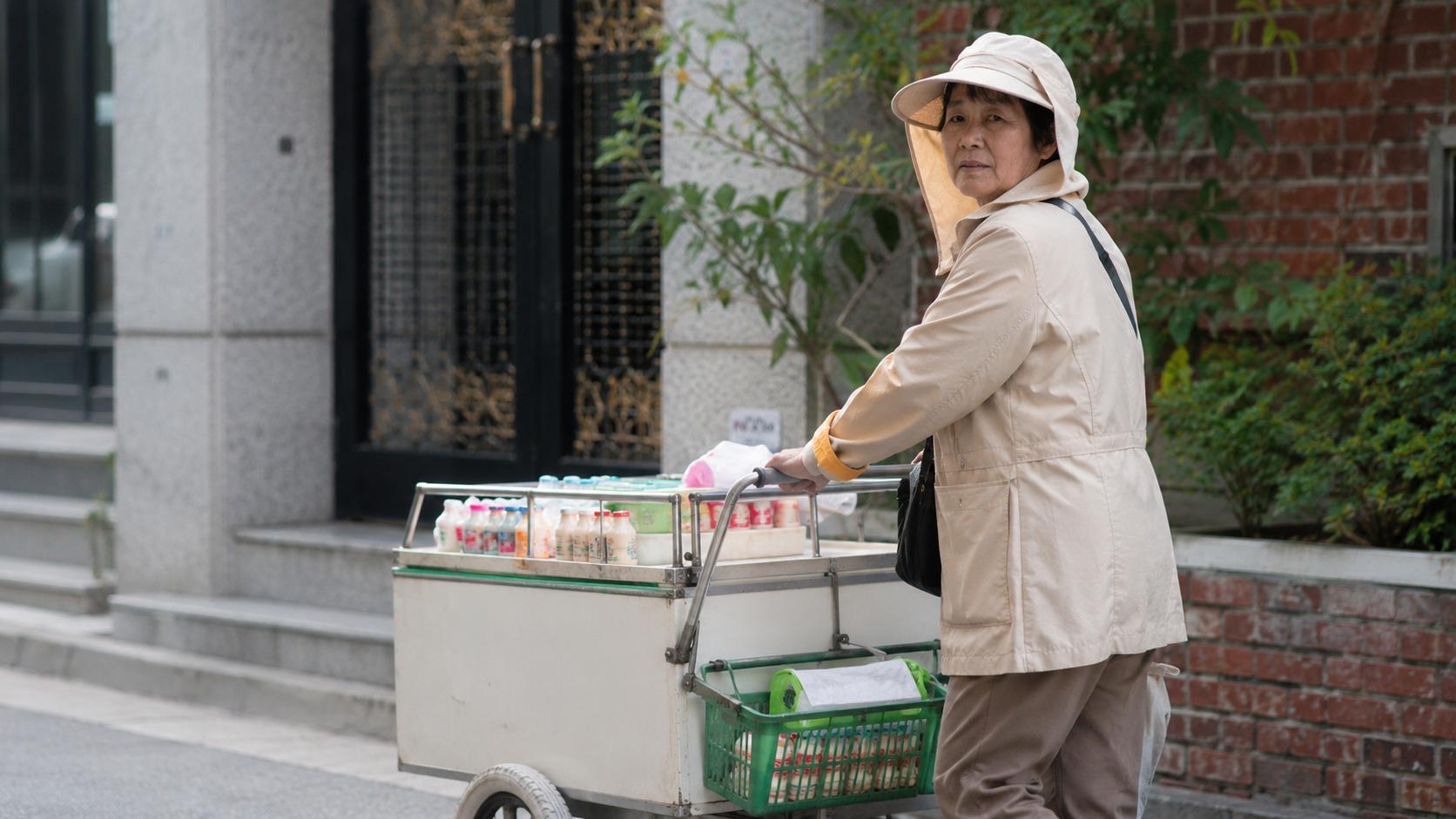
Long before food delivery apps became part of everyday life, South Korea had already developed a uniquely human-centered delivery culture. For decades, women known as “Yakult Ajumma” quietly traveled through neighborhoods delivering probiotic drinks while becoming one of the most recognizable symbols of everyday Korean community life.
In This Article
Who Are Yakult Ajumma?
For many Koreans, the phrase “Yakult Ajumma” instantly brings back childhood memories. The term refers to women who traditionally traveled through apartment complexes and neighborhoods selling small probiotic drinks directly to customers. Unlike ordinary sales workers, they became familiar faces that millions of Koreans encountered almost every day for decades.
How It Started in the 1970s
The system began in 1971 when Korea Yakult, now known as hy, introduced probiotic yogurt drinks to the Korean market. At the time, supermarkets were far less common and cold-chain logistics were still underdeveloped. Instead of relying on traditional retail stores, the company built a nationwide direct delivery network by employing local women who could personally distribute products throughout residential communities.
A Unique Korean Delivery Culture
Long before modern food delivery platforms transformed South Korea into one of the world’s fastest delivery economies, Yakult Ajumma represented an early form of hyper-local delivery culture. Using small refrigerated carts, they moved through neighborhoods each morning, bringing fresh products directly to homes and offices while building an unusually personal customer relationship rarely seen in other countries.
More Than Just Product Sellers
Over time, Yakult Ajumma became far more than delivery workers. Because they visited the same neighborhoods every day, many residents developed personal familiarity with them. In some communities, elderly people living alone interacted with them regularly, and their presence unintentionally created a kind of informal neighborhood welfare network where unusual situations were often noticed quickly.
How The System Evolved
Although many people associate Yakult Ajumma with an older generation of Korean society, the system still exists today. In 2019, the company officially rebranded the workers as “Fresh Managers” while introducing electric refrigerated carts and digital ordering technology. Despite modernization, most Koreans still use the original nickname, showing how deeply the image remains embedded in Korean daily culture.
Why Koreans Still Remember Them
What makes Yakult Ajumma culturally fascinating is that they reflect an older version of Korean society built around close neighborhood communities and repeated face-to-face interaction. For generations, these women represented trust, routine, and everyday familiarity. Even in today’s highly digital society, they remain one of the clearest reminders of how community-centered everyday life once felt in Korea.