


Beyond BBQ: Why Seoul’s Fresh Raw Beef Tartare is the Ultimate Culinary Adventure
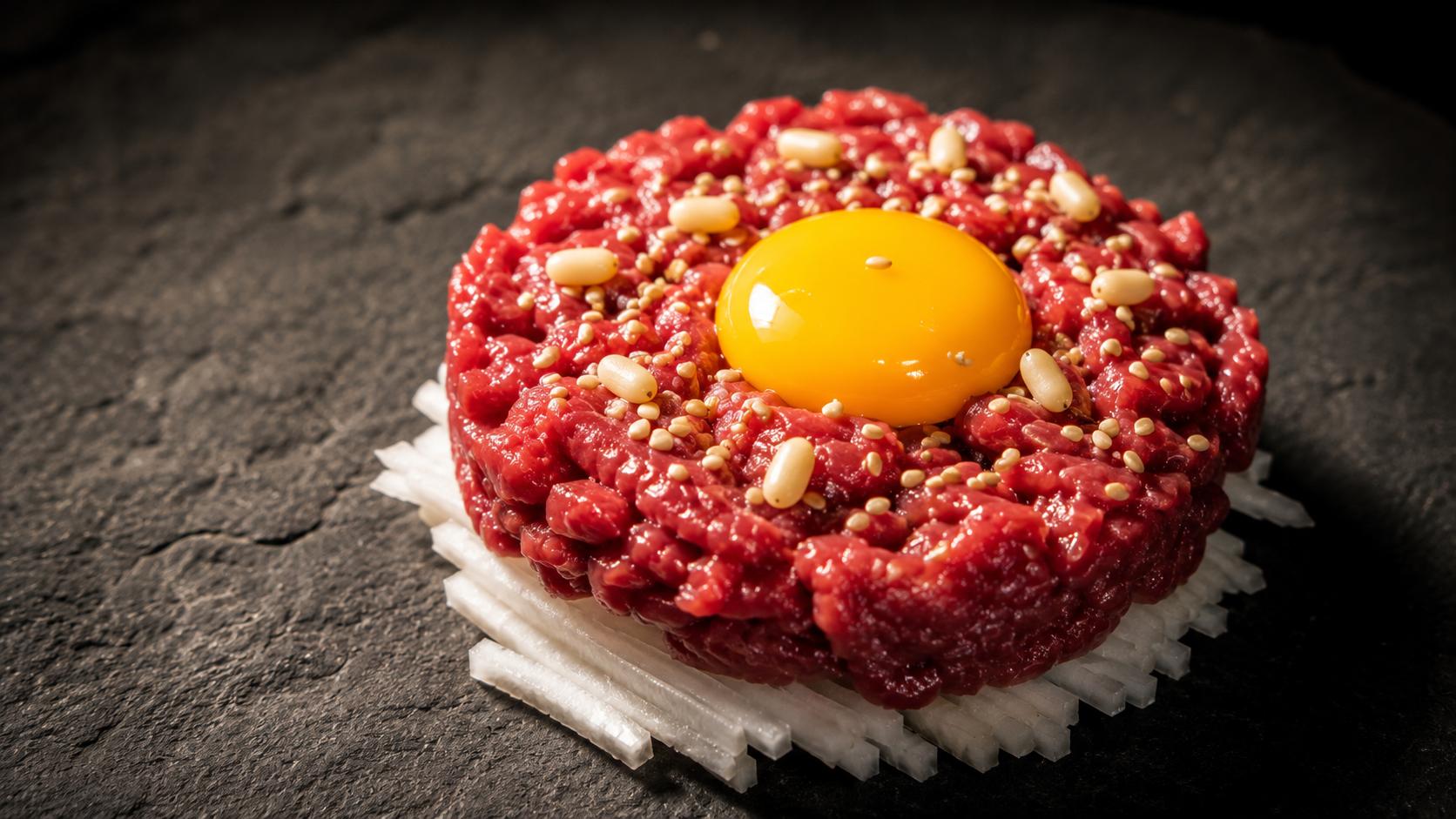
Forget everything you know about steak tartare. Seoul’s vibrant "Yukhoe" scene redefines raw beef with a perfect balance of sweet, savory, and silky textures.
In This Article
The Raw Appeal: Introduction to Seoul’s Legendary Yukhoe Culture
When international foodies think of Korean meat dishes, sizzling plates of K-BBQ or spicy stews usually dominate the conversation. However, tucked away in the bustling, neon-lit alleys of Seoul is a raw delicacy that is quietly reshaping how global travelers view Korean gastronomy: Yukhoe.
Yukhoe, which translates literally to "raw meat," is the Korean interpretation of beef tartare. But unlike its European counterpart, which often relies on heavy capers, mustard, and acid, the Korean version elevates the natural, clean flavors of high-quality beef through subtle, deeply aromatic marinades.
Once considered a royal court delicacy, this dish has successfully transformed into an accessible, vibrant street food and late-night comfort staple, inviting brave culinary travelers to step outside their comfort zones.
The Art of Texture: What Makes Korean Yukhoe Unique
In reality, the magic of Yukhoe lies in the meticulous precision of its design and preparation. Chefs use lean, incredibly fresh cuts of beef—typically top round or rump—shaved into delicate, uniform matchsticks that melt effortlessly on the tongue.
The meat is gently tossed in a minimalist dressing of toasted sesame oil, minced garlic, a pinch of sugar, and light soy sauce. Rather than cooking the meat, this dressing enhances its inherent sweetness. When the dish arrives at the table, it presents a stunning visual contrast.
The deep ruby-red ribbons of beef are piled high, topped with a glossy, golden egg yolk, and resting on a bed of crisp, snow-white Korean pear (Bae) slivers. The sweet, juicy crunch of the pear balances the rich, savory fat of the sesame-coated beef.
For an extra adventurous twist, modern Seoul food alleys often serve "Yukhoe Tangtangi," which pairs the velvety raw beef with freshly chopped, still-moving live octopus, adding a complex layer of texture that keeps food enthusiasts coming back.
Yukhoe Bibimbap: A Masterclass in One-Bowl Balance
For travelers who might feel intimidated by consuming an entire plate of raw meat on its own, Seoul offers the perfect gateway dish: Yukhoe Bibimbap.
This variation replaces the cooked or marinated beef found in standard bibimbap with a generous mound of fresh, seasoned Yukhoe. Served over a warm bed of rice, it is surrounded by an array of fresh mountain greens, perilla leaves, seaweed flakes, and a dollop of house-made gochujang (Korean chili paste).
The culinary genius of this dish happens during the mixing process. The subtle warmth of the rice lightly softens the raw beef without cooking it, releasing the aromatic sesame oil throughout the bowl. Every spoonful delivers a harmonious blend of spicy, sweet, earthy, and buttery textures, making it one of the most complete and satisfying lunch options in the capital.
Where Tradition Thrives: Gwangjang Market’s Hidden Alleys
The modern culinary landscape of Seoul is highly globalized, yet the most authentic way to experience this dish remains rooted in history. The absolute epicenter of the craze is Gwangjang Market's dedicated "Yukhoe Alley," a narrow, historic passageway where vendors have spent decades perfecting this singular craft.
Here, a simple wooden table and a plate of raw beef transcend basic dining; it is an immersive cultural experience. Locals and tourists sit shoulder-to-shoulder, pairing the cool, savory meat with bowls of sparkling, milky makgeolli (Korean rice wine).
Sharing a plate of Yukhoe in the heart of Seoul is no longer just about tasting a local dish. It has become a badge of honor among modern travelers—a silent statement of one's openness, curiosity, and dedication to exploring the deep, unadulterated roots of contemporary Korean food culture.