


Beyond Rice: The Sweet, Savory, and Soft Breads That Koreans Love
Move over K-beauty and K-pop—there is a new cultural wave taking over Seoul. K-Bakery is redefining global dessert trends with its signature soft textures and bold flavor mashups.
In This Article
The Rise of K-Bakery: How Korea Transformed Western Bread into a Culinary Sensation
When international travelers plan a trip to South Korea, their food checklists are usually packed with savory favorites like Korean BBQ, crispy fried chicken, or spicy tteokbokki.
However, a quiet culinary revolution has been rising across the streets of Seoul. Today, locals are increasingly swapping their traditional morning bowl of rice for a fresh pastry, driving a massive boom in the domestic baking scene commonly known as "K-Bakery."
Unlike traditional European loaves that pride themselves on hard, crusty exteriors and dense interiors, Korean bread is famous for being incredibly soft, springy, and delicately sweet. By infusing Western baking techniques with beloved local flavors, Korean bakers have created an entirely unique dessert subculture that balances comfort, novelty, and nostalgia.
The Golden Trio of Nostalgia: Danpat-ppang, Soboro, and Castella
To truly understand what kind of bread Koreans love, one must look at the classics that have lined the shelves of neighborhood bakeries for decades. These retro treats represent the foundation of the country's modern baking identity.
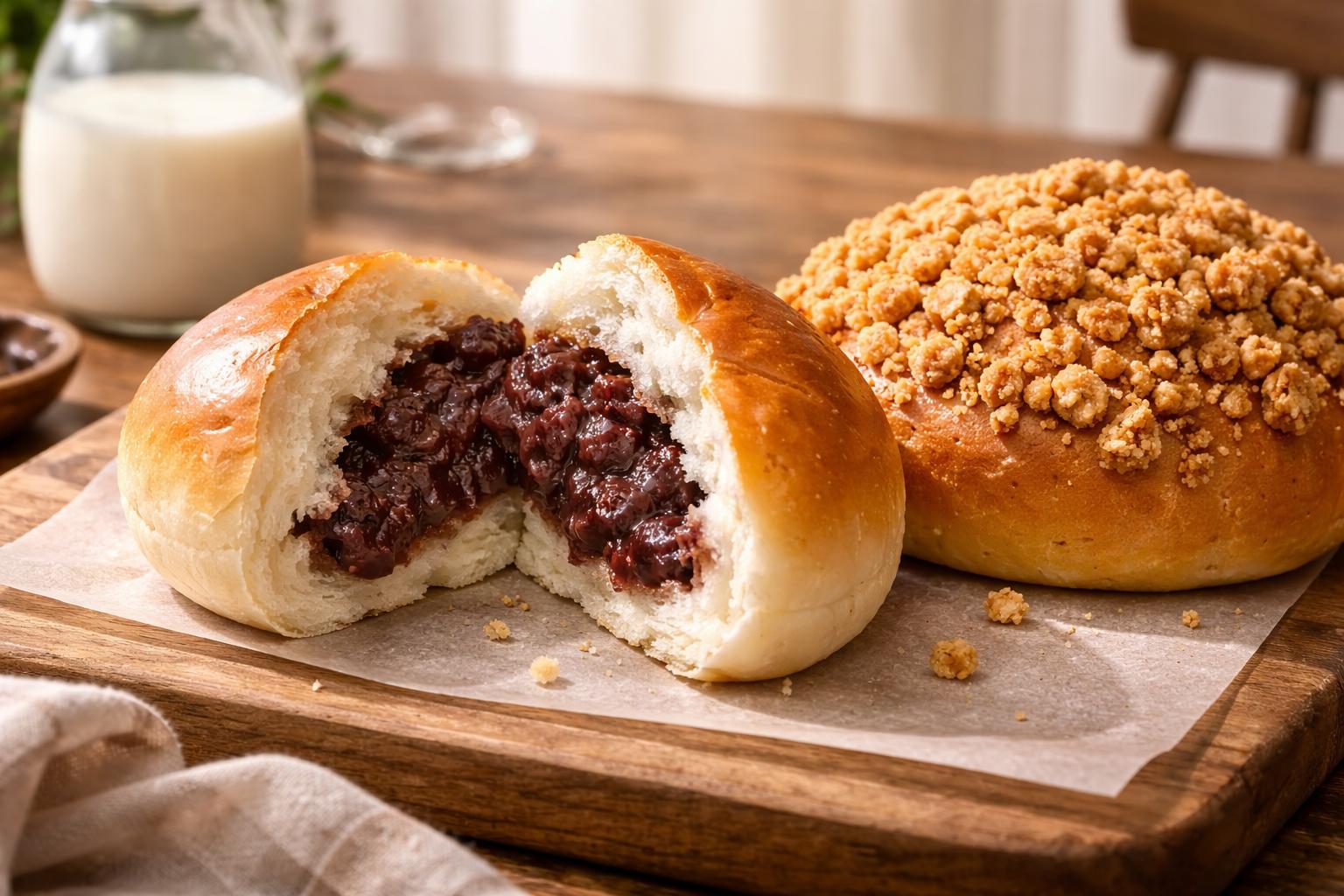
At the heart of this nostalgia is Danpat-ppang, a wonderfully pillowy bun generously stuffed with sweet red bean paste. It is a timeless staple enjoyed by all generations.
Right next to it, you will always find Soboro-ppang. Often referred to as Korean streusel bread, it features a plain, soft bun topped with a bumpy, sweet, and crunchy peanut-butter-infused cookie crust. Completing this classic lineup is Castella, a incredibly airy and moist sponge cake brought over through historical exchanges, prized for its meltingly tender texture that pairs perfectly with a cold glass of milk.
The Street Food Legend: CNN-Approved Gyeran-ppang (Egg Bread)
While fancy dessert cafes dominate social media, some of Korea’s most authentic baking triumphs are found on the bustling winter streets. A prime example is Gyeran-ppang, literally translated to "egg bread."
This beloved street food captured global attention when it was named one of the "50 of the World's Best Breads" by CNN. Described as a cozy, individually sized wheat bread with a whole raw egg cracked and baked directly inside the mold, it offers a beautifully balanced "dan-jjan" (sweet-and-salty) flavor profile.
Originally born near Inha University in 1984 as a cheap, protein-packed meal substitute for hungry students, Gyeran-ppang has evolved into a national winter treasure. Modern variations often feature toppings like melted cheese, savory ham, or chopped parsley, offering a belly-warming fuel to get through cold winter days.
The Modern Mashups: Garlic, Cream Cheese, and Beyond
What makes the contemporary Korean bread scene so thrilling for international foodies is its fearless approach to flavor mashups. Korean bakers excel at transforming familiar Western staples into decadent, multi-textured masterworks.
Consider the viral Six-Bloomed Garlic Bread, which took global food trends by storm. Instead of a crispy, dry baguette, this version uses a soft, round brioche-style bun sliced into pull-apart segments, drenched in sweet garlic butter, and packed with a rich, slightly sweetened cream cheese filling.
* Sweet Cream Cheese: Used abundantly across savory breads for contrast.
* Chewiness (Chewy Texture): Incorporating glutinous rice flour into breads to mimic the texture of traditional rice cakes (tteok).
* Local Crops: Incorporating natural ingredients like sweet potato, chestnut, and sweet corn directly into fillings.
From historic bakeries operating since the 1940s to trendy, ultra-aesthetic cafe showrooms in neighborhoods like Seongsu and Samcheong-dong, Korea's bread culture proves that bread is no longer just a foreign import—it is a thoroughly reimagined local art form.